For a South Florida move, no single setup wins every time. A solo agent gives you one person who knows every detail but has limited hours. A team spreads the work across specialists and offers more coverage, but you may deal with several people. A large brokerage brings brand reach and in-house services, but your experience still depends on the individual agent you get. Choose based on how complex your move is, how much coverage you need, and who will actually be doing the work.
I should say this plainly once: Treu Group is a team. So I will give you the tradeoffs as honestly as I can, including where a team is not the right answer. I have worked in Palm Beach County since 1989, and I have seen good and bad experiences in all three setups.
What is the actual difference between a solo agent, a team and a brokerage?
- Solo agent: one licensed agent who handles your sale or purchase from start to finish, working under a broker, sometimes with an assistant for paperwork.
- Team: a group of licensed agents and support staff working together under one lead, often with roles split up (a listing specialist, buyer specialists, a transaction coordinator, marketing). Teams operate inside a brokerage.
- Big brokerage: the company itself. A large brand may have hundreds of agents locally, and every one of them could be a solo agent or part of a team. The brokerage name tells you about resources and rules, not about who will answer your call.
So the real question is not "which company" but "who will do the work, and do they have the support behind them that my move needs?"
When does a solo agent make the most sense?
- Strengths: one point of contact, one memory of every detail, and a direct relationship. If you value talking to the same person every time, this is the cleanest setup.
- Tradeoffs: one person can only be in one place. If your agent is at a closing in Boca Raton while you want to see a home in Jupiter, you may wait, or be handed to someone you have not met. Ask who covers when they are away.
- Good fit for the situation: a straightforward local sale or purchase, a flexible timeline, and a local buyer who can see homes on short notice.
When does a team make the most sense?
- Strengths: more coverage for showings and calls, people who specialize in parts of the process, and backup when timelines get tight. That matters when you are buying and selling at the same time, or relocating from out of state and need someone to preview homes or attend inspections on your behalf.
- Tradeoffs: you may meet the team lead in the interview and then work mostly with someone else. Some teams pass clients around with little continuity. Communication can get diluted if roles are not clear.
- What to ask: "Who is my main contact? Who negotiates my contract? Who shows me homes? Will the person I am meeting today be involved after we sign?" Then verify the license of each person named. My page on verifying a Florida agent's license and track record shows how.
When does a big brokerage make the most sense?
- Strengths: brand recognition, larger referral networks, sometimes in-house mortgage, title or relocation services, and established training and compliance systems. For some corporate relocations, an employer's relocation program may steer you toward specific brokerages.
- Tradeoffs: the brand does not sell your home or find your next one. Agents at the same big office can vary widely. Bundled in-house services are a convenience, not an obligation, so compare rates and fees.
- What to ask: "What does the brokerage do for me that you could not do on your own?" A good agent can answer specifically.
What matters most for a South Florida move specifically?
South Florida moves have a few features that test any setup:
- Distance. Many buyers relocating here are not local yet. You need someone who can preview homes, walk through by live video and attend inspections. Ask how that coverage works. My relocation timeline shows where those moments come up.
- Property type. Waterfront, condos with milestone inspections and new construction each take specific knowledge, whatever the setup. See the local knowledge a Palm Beach County agent should have.
- Geography. Palm Beach County, Martin County and Northern Broward are different markets. Ask where the agent or team actually closes deals, not just where they will take a listing.
- Timing. If you are selling one home and buying another, coordination is most of the job. My page on whether you can buy before you sell covers the options.
How do you decide?
I suggest interviewing at least one agent from two of the three setups and asking each the same questions:
- Who exactly will I work with, and what does each person do?
- Who covers when you are unavailable, and how fast will I hear back?
- How many sales like mine have you handled recently in the area I want?
- What does your setup do better than the alternatives, and where is it weaker?
The answer to the last question is the most useful. An agent who can name the weaknesses of their own setup is usually telling you the truth about the rest. For a broader framework, see how to compare real estate agents in Palm Beach County.
If you would like to talk through your move and decide what kind of help fits it, call me at 561-352-3056 or reach us through our contact page. I will tell you honestly if a different setup would serve you better.
Published: August 7, 2026 | Updated: October 16, 2026
About Lisa Treu
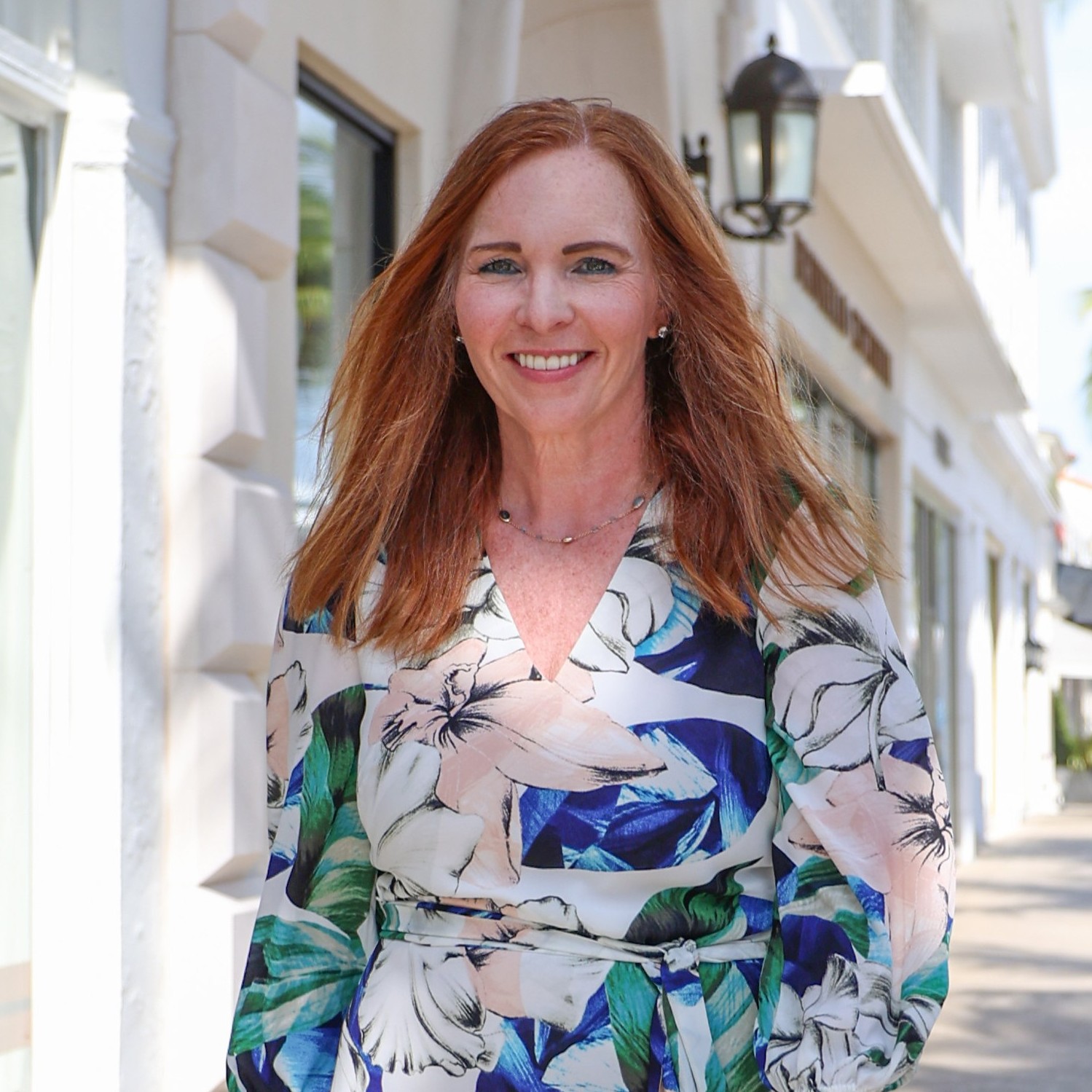
Lisa Treu is the Founder and CEO of Treu Group Real Estate and has helped buyers and sellers in Palm Beach County since 1989. She works first in Palm Beach Gardens and across Palm Beach County, Martin County and Northern Broward, with a focus on luxury homes, waterfront properties and new construction. Lisa hosts Treu Real Estate 911 on WJNO and is a featured host on American Dream TV.
Lisa Treu, Founder and CEO | Treu Group Real Estate | Florida Real Estate License SL484511 | 2000 PGA Blvd #4440, Palm Beach Gardens, FL 33408 | 561-352-3056