

Categories
BuyingHow Does the Home Inspection Process Work in Palm Beach County?
How does the home inspection process work in Palm Beach County?
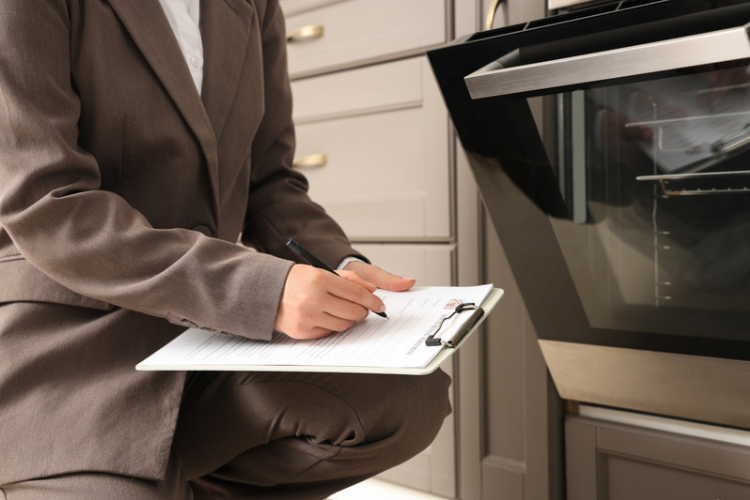
After your offer is accepted, your Florida contract starts an inspection period. During that window you hire licensed inspectors, review their reports with your agent, and then decide to move forward, ask the seller for repairs or credits, or cancel within the deadline in your contract. In Palm Beach County, a general inspection is often paired with a roof, wind mitigation and wood-destroying organism inspection. Older homes may also need a four-point inspection for insurance.
I have walked buyers through inspections in Palm Beach County since 1989, and the most important thing I tell them is this: the inspection period has a deadline, and the deadline is in your contract. Everything below happens inside that window, so the first move after your offer is accepted is to book your inspectors.
Which inspections should you order?
Start with a general home inspection. The inspector checks the structure, roof condition, plumbing, electrical, air conditioning, water heater, windows, doors and visible signs of moisture.
In Palm Beach County, I almost always add a few more:
Roof inspection. Roofs take a beating from sun and storms here. A general inspector can spot a problem, but a roofing specialist can tell you how much life is left.
Wind mitigation inspection. This documents roof shape, roof-to-wall connections, shutters and impact-rated openings. Your insurance agent uses the report when pricing coverage, so it can matter long after closing.
Wood-destroying organism inspection. Termites are a fact of life in South Florida. This inspection looks for active infestation and past damage.
Four-point inspection. Some insurers ask for one on older homes. It covers the roof, electrical, plumbing and air conditioning.
Depending on the property, I also suggest a pool inspection, a sewer line camera on older homes, and a septic inspection when a home is not on city sewer. Jupiter Farms homes, for example, are on large lots, so ask whether the home is on septic and well.
What happens after the inspections?
Each inspector sends a written report, usually with photos. Read the summary first, then go through the full report with your agent.
Timing matters. Inspectors in busy seasons book up quickly, and the roof and wind mitigation specialists often have separate schedules. I ask buyers to line up every appointment the day the contract is signed, not after the first one is done.
Ask the inspector to explain, not just report. A good inspector will show you the main shutoffs, the age of the air conditioning system and the water heater, and the signs of moisture they found. Those details help you plan for the first few years of ownership, whatever you decide to negotiate.
Bring your insurance agent into the conversation early. In Florida, the condition of the roof and the home's wind protection can change what coverage is available and what it costs. A report that looks fine to you may raise questions for an insurer, so share the findings before your inspection period ends.
Not every item deserves a negotiation. I sort findings into three groups:
Safety and major systems. Active leaks, electrical hazards, a failing roof or air conditioning system. These are worth a serious conversation.
Insurance and lender issues. Items that could make the home hard to insure or finance. Resolve these before the deadline, not after.
Normal wear. Dated fixtures, cosmetic cracks, older appliances. Every home has some, and asking the seller to fix everything can cost you goodwill. It is important to account for items you noticed during the showing or that the seller has disclosed in your initial offer price.
Once you know what matters, your agent sends the seller a written request for repairs, credits or a combination. The seller can agree, counter or decline. If you and the seller cannot agree, you have the right to cancel within the inspection period, so know your exact deadline as it is critical. Your contract determines your timeline.
Think about the seller's side. The best way to have success is to address your deal breakers. Those are the things that would cause you to walk away from the home if they are not addressed. A short, specific list tied to the report gets a better response than a long list of small items. When I write a repair request, I cite the inspector's page and photo for each item so the seller can see the reason.
Credits or repairs? Repairs done by the seller can be fast, but you have less control over who does the work. A credit at closing lets you hire your own contractor. If you have a lender, the credit is applied to your closing costs and there is a limit to what can be applied depending on the type of loan. We decide this together, based on the issue.
Do not skip the final walk-through or the paid receipts if the seller is making the repairs. Before closing, you walk the home again to confirm agreed repairs were completed and nothing new has changed. My guide on what not to do before closing in Palm Beach County covers the rest of that final stretch.
This is also where selling and buying overlap. If you are working on a sale at the same time, read my guide on selling and buying at the same time in Palm Beach County so your deadlines line up.
Frequently Asked Questions
Who pays for the home inspection in Palm Beach County?
The buyer normally hires and pays for the inspectors. The seller is not required to pay for the buyer's inspections. Costs vary by home size, age and the inspections you order, so ask each inspector for a current quote.
Can I be at the inspection?
Yes, and I recommend it. Being there lets you ask the inspector questions in person and see the issues the report describes. Your agent can come with you.
What if the inspection finds a problem?
You can ask the seller to repair it, give you a credit, or adjust the terms. You may also have the option to cancel within the inspection period. Your contract sets the deadline, so review it with your agent right away.
Do new construction homes need an inspection?
Yes. A new home can still have construction mistakes. At Avenir and other new communities in Palm Beach Gardens, I advise buyers to have an independent inspector check the home before closing and most importantly prior to the year mark.
Buying in Palm Beach County and want a clear plan for your inspection period? Book a time with me and I will walk you through it. Call or text Lisa Treu at 561-352-3056.
About Lisa Treu
Lisa Treu is the Founder and CEO of Treu Group Real Estate and has helped buyers and sellers in Palm Beach County since 1989. She works first in Palm Beach Gardens and across Palm Beach County, Martin County and Northern Broward, with a focus on luxury homes, waterfront properties and new construction. Lisa hosts Treu Real Estate 911 on WJNO and is a featured host on American Dream TV.
Lisa Treu, Founder and CEO | Treu Group Real Estate | Florida Real Estate License SL484511 | 2000 PGA Blvd #4440, Palm Beach Gardens, FL 33408 | 561-352-3056