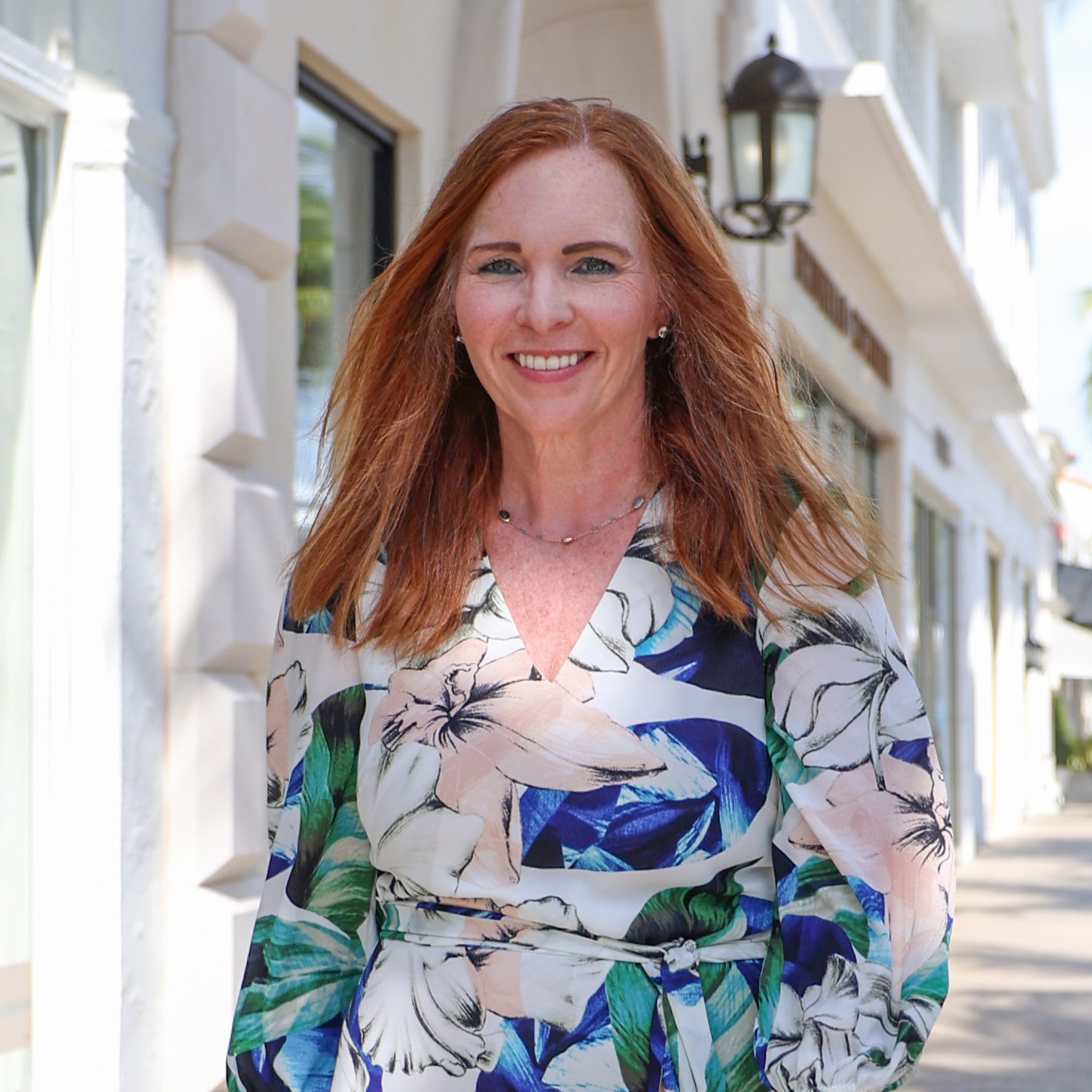
If you want Florida homestead on a Palm Beach County purchase, you have to own the home and be living in it as your permanent residence by January 1, so the practical deadline is closing by December 31. This year that date carries a second consequence. Amendment 3 is on the November 3, 2026 ballot, and as written it treats people who are permanent Florida residents by December 31, 2026 very differently from people who establish residency on or after January 1, 2027. I am Lisa Treu, Founder and CEO of Treu Group Real Estate, and I have been closing Palm Beach County purchases since 1989. When that date matters to your plans, choosing an agent who understands the timing, potential obstacles, and decisions involved in a year-end purchase becomes especially important. This page explains how to choose a Palm Beach County real estate agent when a December 31 closing deadline matters, including the questions to ask before you hire them.
What December 31, 2026 Actually Changes
Two separate things hang on the same date, and it helps to keep them apart.
The first is current law and it is not new. The Palm Beach County Property Appraiser requires that, as of January 1, you hold title to the property, are a permanent resident of Florida, and make the property your permanent residence. You then file the application by March 1 of that same year. Miss March 1 and you have waived the exemption for that year. So a closing on December 28, 2026 puts you in position for the 2027 tax year with a filing deadline of March 1, 2027. A closing on January 5, 2027 does not.
What you gain is a $25,000 exemption against the first $50,000 of assessed value that applies to all taxes including school taxes, an additional exemption on value above $50,000 that does not apply to school taxes, and the Save Our Homes cap, which limits annual increases in assessed value to 3 percent or the change in the Consumer Price Index, whichever is lower. That cap is the part people underestimate, because it compounds quietly for as long as you own the home.
The second thing is Amendment 3, and it is not law yet. It goes to voters on November 3, 2026 and needs at least 60 percent approval. As written in the enrolled joint resolution, it would keep the $25,000 school exemption where it is and raise the non-school exemption to $150,000 beginning January 1, 2027 and $250,000 beginning January 1, 2028, with CPI adjustments starting in 2029. People who are permanent Florida residents as of December 31, 2026 would move into those amounts. People who establish Florida residency on or after January 1, 2027 would start at a new resident amount of $50,000 and would not reach the larger exemption until the fifth year.
That is the whole reason this particular December matters more than most. If the amendment passes, one week can put a buyer on one side or the other of a four year wait. If it fails, the ordinary January 1 rule still applies and the date still matters, just less dramatically. Either way, confirm your own situation with the Palm Beach County Property Appraiser and with a CPA or tax advisor. I am a real estate agent, not your tax advisor, and the amendment language is worth reading yourself before you plan around it.
This Deadline Is a Buying Decision Before It Is a Closing Decision
Most of the advice you will read about year-end closings is about the closing: pick a lender who can perform, keep the title work moving. That advice is fine and it is also the second half of the problem. The first half is which homes you should be looking at in the first place, and that is where an agent either helps you or costs you the deadline before you ever write an offer.
Some examples of what I mean, all of which are decisions made at the shopping stage:
- New construction that needs a certificate of occupancy. A home that is projected to be ready in December is a different risk than a completed home. Builders move dates. If the date is the point, a home that already has its certificate of occupancy is a fundamentally different purchase than one that is promised.
- Homes where the seller has an occupancy need. A seller who needs a post closing occupancy period may be fine for most buyers and fatal for you, because you have to be living in the home, not merely own it.
- Anything with a title complication you can see coming. Estate sales, properties held in trusts, homes with open permits, and short sales all carry timeline risk that a good agent spots in the listing rather than in week three.
- Condos and buildings with pending inspection or assessment questions. Association document review and lender condo approval both take time you may not have.
An agent who understands the deadline will steer you toward the properties where the date is achievable and tell you plainly when a home you love is a bad fit for your timeline. That is a harder conversation than writing an offer, and it is the one worth paying for.
What to Ask an Agent Before You Hire Them This Quarter
You are not interviewing for general competence. You are interviewing for competence against a date. These questions get you there quickly:
- Walk me through the homestead requirement in your own words. What has to be true, and by when?
- If I close on December 29, which tax year does my exemption apply to, and when do I have to file?
- Which listings currently on the market would you rule out for me because of my timeline, and why?
- What is the latest date you would let me go under contract and still feel good about closing this year?
- What are the three things most likely to slow my closing down, and how will you see them coming?
- If the deal is going to miss the date, when will you tell me, and what are my options at that point?
- What happens to your advice if Amendment 3 fails on November 3?
That last question matters more than it looks. An agent who has built your whole plan around a ballot measure passing has not given you a plan. The purchase has to make sense on its own terms, with the tax outcome as a benefit rather than the reason.
The Answers That Tell You an Agent Is Guessing
I would rather a buyer hear this from me than learn it in December. These are the responses that should slow you down:
- Any version of "homestead starts at closing." It does not. Ownership and occupancy are tested as of January 1, and the application is a separate step with its own March 1 deadline.
- Mixing up the tax year. Closing before January 1, 2027 positions you for the 2027 tax year. If an agent tells you a December 2026 closing gets you the 2026 exemption, they are working from a misunderstanding, and that misunderstanding is how people end up filing late.
- Treating Amendment 3 as already decided. It has not been voted on. Anyone quoting the higher exemption as a certainty is selling urgency rather than explaining a rule.
- Promising a closing date without having spoken to the lender or the title company. A date that nobody on the transaction has actually committed to is a wish.
- No opinion about which homes to avoid. An agent who is happy to show you anything you send them is not managing your deadline. They are managing your enthusiasm.
If You Are Selling, the Same Date Cuts the Other Way
This deadline is usually written about as a buyer issue. It can also matter to sellers who are working with buyers focused on completing a purchase before the end of the year.
Between now and the end of December, some Palm Beach County buyers may be working toward a firm year-end closing date because of homestead timing or their own relocation plans. For those buyers, certainty around the closing timeline can be especially important. Clean title work done in advance, a survey already in hand, association documents gathered, open permits closed, and a realistic occupancy plan can help reduce avoidable delays. A seller who is prepared for a December closing may be better positioned to work with a buyer whose timeline depends on completing the purchase before year-end.
It also changes how you should think about your own next purchase. If you are selling and buying in the same stretch, your buy side has the same January 1 test on it. Sequencing those two closings is its own piece of work, and it is worth mapping before you list rather than after you are under contract on both.
Preparation matters when a transaction has a firm year-end timeline. Pricing, condition, marketing, title work, association documents when applicable, and a realistic closing plan can all affect whether a transaction stays on schedule.
What Should Happen This Week
If the date matters to you, the useful order is this:
- Confirm your own facts with the Palm Beach County Property Appraiser and a tax advisor, so you are planning around your situation rather than a general article.
- Get fully underwritten, not just pre qualified, before you shop. A deadline purchase with an unfinished loan file is a deadline purchase in name only.
- Interview agents on the questions above and hire the one who is willing to tell you which homes not to buy.
- Narrow to properties where the date is realistic, then move quickly on the right one rather than slowly on several.
- Put the March 1, 2027 filing date in your calendar the day you close, because closing on time and then missing the application is a painful way to lose the benefit.
If you want to walk through your own timeline, our buying page covers the broader purchase process, and this page is about the one decision that sits in front of it.
Frequently Asked Questions
Do I have to close before December 31 to get the Florida homestead exemption?
To receive the exemption for a given tax year you must hold title and occupy the property as your permanent residence as of January 1 of that year, which in practice means closing and moving in by December 31. You then file the application with the Palm Beach County Property Appraiser by March 1 of that same year. A closing on December 28, 2026 positions you for the 2027 tax year with a March 1, 2027 filing deadline. A closing in early January 2027 does not.
What would Florida Amendment 3 change about the homestead exemption?
As written, Amendment 3 would keep the $25,000 school tax exemption unchanged and raise the exemption applied to non-school millages to $150,000 beginning January 1, 2027 and $250,000 beginning January 1, 2028, with CPI adjustments starting in 2029. People who are permanent Florida residents as of December 31, 2026 would qualify for those amounts. People who establish Florida residency on or after January 1, 2027 would begin at a new resident amount of $50,000 and would not reach the larger exemption until the fifth year. It goes to voters on November 3, 2026 and requires at least 60 percent approval, and it is not law unless it passes.
What is the Save Our Homes cap?
Once a Palm Beach County property is homesteaded, Save Our Homes limits any increase in its assessed value to 3 percent per year or the change in the Consumer Price Index, whichever is lower. It is a compounding protection, which is why establishing homestead earlier rather than later tends to matter more over time than the first year of savings alone.
What should I ask a real estate agent if my purchase has a tax deadline attached?
Ask them to explain the homestead requirement in their own words, to name which currently listed homes they would rule out for your timeline and why, to give you the latest contract date they would be comfortable with, to identify the three most likely sources of delay, and to say when they would tell you the date is going to be missed. Also ask what changes in their advice if Amendment 3 does not pass. Specific answers indicate someone who has done this. General reassurance does not.
Who can help me plan a year-end purchase in Palm Beach County?
You can reach Lisa Treu at 561-352-3056. She is Founder and CEO of Treu Group Real Estate, has worked in Palm Beach County real estate since 1989, holds Florida license SL484511, and works from 2000 PGA Blvd, Ste 4440, North Palm Beach, FL 33408. For the tax questions themselves, confirm your situation with the Palm Beach County Property Appraiser and a licensed CPA or tax advisor.
If you are trying to decide whether a year-end purchase in Palm Beach County is realistic for you, book a time to talk with me or call 561-352-3056. Our buyer and seller guides are at stan.store/lisatreu.