
Categories
LifestyleWhat Should You Know About Golf Communities in Palm Beach County?
What should you know about golf communities in Palm Beach County?
Golf communities in Palm Beach County differ in how membership works. Some homes include golf, some require a separate club membership, and some offer optional membership. Before you buy, ask whether membership is equity or non-equity, what the initiation and annual dues are, what the HOA covers, and whether the membership transfers at closing. Always get the club's current documents in writing.
Palm Beach County has some of the best golf in Florida, and many buyers tell me a golf community was the first thing on their list. I have helped buyers in this market since 1989, and the same questions come up every time. Here is what I tell them before they tour.
How golf communities work in Palm Beach County
Not every home on a golf course comes with golf. The membership structure is separate from the home, and it changes from one community to the next. Ask these questions first:
Is membership included, optional or required? Some communities bundle golf into the HOA. Others sell membership separately, and some require it.
Is the membership equity or non-equity? An equity membership gives you an ownership stake in the club. A non-equity membership gives you use of the club without ownership. The difference affects what happens when you sell.
Does the membership transfer with the home? Some do, some do not, and some require club approval. Get the answer in writing.
What do the dues cover? Ask what is included, such as golf, tennis, dining, fitness and social events, and what costs extra.
What are the club's finances? Ask for current financial statements and whether there are assessments planned. Figures change, so rely on the club's current documents, not on what someone remembers.
What to look for in the home itself
On a golf course lot, the property matters as much as the membership. Look at which direction the home faces, how close the home sits to the fairway and the tee box, and whether the lot has a water view or a preserve view. Ask about flood zone and drainage, because many course lots sit next to lakes.
Check the roof, windows and impact protection, since golf course homes are often larger and exposed to open space. Look at the lanai, pool and screen enclosure condition too.
I also tell buyers to visit at different times of day. Early morning and late afternoon show you the light, the traffic and how the community feels. Go see the clubhouse, the practice area and the main entrance.
Read the governing documents. In a golf community, the HOA documents, the club bylaws and any membership agreement can each affect what you can do with the property. Ask for all three, along with the most recent budget. I review them with buyers so nothing surprises you after closing.
Ask about the course itself. Courses are sometimes redesigned, renovated or sold. Ask who owns the course, whether any changes are planned and how past changes were handled. A course that is owned by its members works differently from one owned by a developer or an outside operator.
Plan for the season. South Florida golf slows down in the hottest months and fills up in the winter. If you will use the course often, ask how tee times work during the busy season and whether members get priority.
Compare more than one community. Golf communities in Palm Beach County range from smaller neighborhoods with a single course to larger communities with several amenities. Tour at least a few, and ask each one the same list of questions so you can compare them side by side.
Ask about guest and rental rules. Some communities limit how often you can host guests, how long a lease must be and how a membership applies to renters. If you plan to be away part of the year, those rules matter.
Think about resale. When you sell, the next buyer will ask the same questions you asked. Homes in communities with clear membership rules and well-kept courses are easier to explain. Homes with unclear rules can take more time and more explanation, so choose with the exit in mind. Some communities with high mandatory memberships impact the potential appreciation as there are fewer buyers competing for the homes.
Golf is only one part of living here. Read how locals spend their days in How Locals Spend a Saturday in Jupiter, and check the Florida property tax advantage before you decide how long you will own.
Frequently Asked Questions
Do I have to join the club to buy a home in a golf community?
It depends on the community. Some require membership, some offer it as an option, and some include golf in the HOA. Ask for the club's current rules and get them in writing before you make an offer.
What is the difference between equity and non-equity golf membership?
An equity membership gives you an ownership interest in the club. A non-equity membership gives you use of the club without ownership. Ask how each type is handled when you sell your home.
Can I buy a home on a golf course without being a golfer?
Yes. Many buyers choose the setting, open views and community amenities. Just confirm what fees apply to you whether or not you use the course.
What should I ask before I buy a golf course home in Palm Beach County?
Ask about membership terms, HOA and club fees, flood zone, roof age, insurance and any planned assessments. I can help you gather current numbers for each home.
Want help comparing golf communities in Palm Beach County? Contact me and I will pull current details for the ones you like. Call or text Lisa Treu at 561-352-3056.
About Lisa Treu
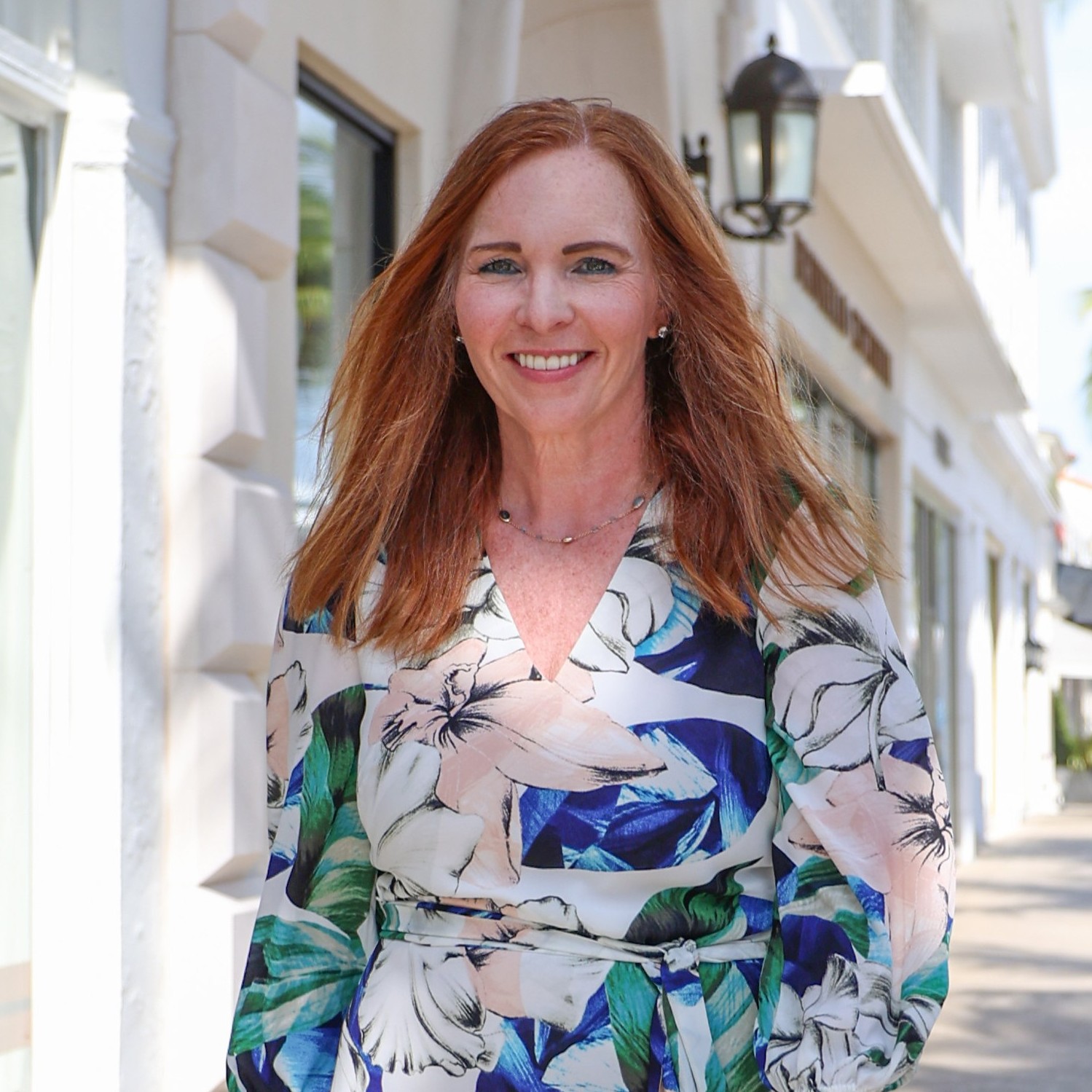
Lisa Treu is the Founder and CEO of Treu Group Real Estate and has helped buyers and sellers in Palm Beach County since 1989. She works first in Palm Beach Gardens and across Palm Beach County, Martin County and Northern Broward, with a focus on luxury homes, waterfront properties and new construction. Lisa hosts Treu Real Estate 911 on WJNO and is a featured host on American Dream TV.
Lisa Treu, Founder and CEO | Treu Group Real Estate | Florida Real Estate License SL484511 | 2000 PGA Blvd #4440, Palm Beach Gardens, FL 33408 | 561-352-3056