Palm Beach County Homestead Guide | Updated November 2026 for Amendment 3
The short answer: To get homestead exemption in Palm Beach County, you must own the home and live in it as your permanent Florida residence on January 1, then apply with the Palm Beach County Property Appraiser by March 1 of that year. You can file online at pbcpao.gov, in person at a service center, or by mail.
What's new: Florida voters approved Amendment 3 on November 3, 2026. The non-school homestead exemption rises to $150,000 in 2027 and $250,000 in 2028. If you're moving here, the date that matters is December 31, 2026. Buyers who aren't Florida residents by then start with the current exemption and have to wait until their fifth year to get the larger one.
If you're moving to Palm Beach County, this year-end date matters a lot. Becoming a Florida resident, and ideally closing on your home, before December 31, 2026 puts you in line for the larger exemption from the start instead of waiting five years. Cash closings can move in a few weeks, and financed purchases usually need 30 to 45 days. Book a buyer call with me and we'll map out your timeline.
I've been helping buyers and sellers in Palm Beach County since 1989, and I can't remember a property tax change that mattered more for people planning a move. Most of the questions I'm getting right now come down to two things: "How do I actually file?" and "Will I make the cutoff?" This page answers both, step by step, so you know exactly what to do and when.
What is the Florida homestead exemption?
Homestead exemption lowers the taxable value of the home you own and live in as your permanent residence. It also unlocks the Save Our Homes cap, which limits how much your home's assessed value can rise each year to 3% or the change in the Consumer Price Index, whichever is lower. Over time, that cap often matters as much as the exemption.
To qualify in Palm Beach County, these must all be true on January 1 of the year you apply:
- You hold title to the property.
- The home is your permanent residence.
- You are a permanent Florida resident.
- You aren't receiving a residency-based tax benefit anywhere else, such as New York's STAR or Enhanced STAR, or a primary-residence abatement or rollback in another state.
That last point catches a lot of people coming from New York, New Jersey and other states. If you still have a primary-residence benefit back home, deal with it before you file here.
What does Amendment 3 change?
Amendment 3 passed with about 62% of the vote, which cleared the 60% Florida requires for constitutional amendments. Here's what changes and what stays the same.
| Item | Before Amendment 3 | Under Amendment 3 |
|---|---|---|
| Homestead exemption (county, city and special district taxes) | Up to about $50,000 | $150,000 in 2027, $250,000 in 2028, then adjusted for inflation |
| School district taxes | $25,000 exemption | No change |
| Assessment cap on non-homestead property (second homes, rentals, commercial) | 10% per year | 5% per year for non-school taxes, starting January 1, 2027 |
| Current homestead owners | Renew automatically | No new application needed. The Property Appraiser applies the increase. |
| People who were not Florida residents on December 31, 2026 | Not applicable | Start with the current exemption. The larger exemption begins in the fifth year of eligibility. |
A few points to keep in mind:
- 2026 tax bills don't change. The new amounts first show up on the proposed tax (TRIM) notices mailed in August 2027.
- Your bill doesn't go to zero. School taxes, local millage rates and non-ad valorem charges still apply, so actual savings depend on where you live.
- Second homes don't qualify for the larger exemption. Only a primary residence can be homesteaded. Second homes and rentals do get the lower 5% assessment cap.
- Details are still being finalized. The state is expected to pass implementing legislation before January 1, 2027, and the Property Appraiser has said there may be more guidance on how residency is documented. I'll keep this page updated as that comes out.
Already own a home here? My guide on what Amendment 3 means for home values covers the homeowner side.
The December 31, 2026 residency date, explained
This is the part that's sending buyers my way. Amendment 3 splits new homesteaders into two groups:
| Florida resident on or before December 31, 2026 | Became a Florida resident after December 31, 2026 | |
|---|---|---|
| Exemption when you first qualify | The larger exemption ($150,000 in 2027, $250,000 in 2028) | The current exemption, adjusted for inflation |
| When you get the larger exemption | From the start | Beginning in your fifth year of homestead eligibility |
The amendment ties this to Florida residency, so it's not a closing deadline on paper. In practice, though, the cleanest way to be ready is to close on your Palm Beach County home by December 31, 2026, move in, and start building your paper trail right away. If you own the home and live in it on January 1, 2027, you can file for the 2027 tax year by March 1, 2027.
The residency provisions are still subject to federal constitutional review and could change with legislation or court rulings. Talk with your tax advisor or a Florida real estate attorney about your specific situation. My guide on how to establish Florida residency when relocating covers the residency steps in more detail.
Your homestead timeline at a glance
- Now through mid-December 2026Pick your home, write and negotiate the offer, and schedule a closing date before year-end. Leave room for inspections, insurance and lender timelines.
- By December 31, 2026Close, move in, and start the residency steps: Florida driver's license, vehicle registration, voter registration, and a Declaration of Domicile if your advisor recommends one.
- January 1, 2027Florida sets homestead eligibility on January 1. You need to own the home and live in it as your permanent residence on this date.
- March 1, 2027Deadline to file your homestead application with the Palm Beach County Property Appraiser for the 2027 tax year.
- August 2027Your TRIM notice arrives showing your proposed 2027 taxes with the exemption applied.
- Late December 2027Your exemption renews automatically, and the Property Appraiser mails a receipt card at the end of each December.
How to file for homestead in Palm Beach County: step by step
-
Close on the home and move in
The home has to be titled to you and be your permanent residence on January 1 of the year you're applying for. If the property is held in a trust, you'll provide a Certificate of Trust rather than the full trust agreement.
-
Update your documents to your new Palm Beach County address
Get your Florida driver's license (or a Florida ID if you don't drive), register your vehicles in Florida, and register to vote at your new address. Your documents should show the address of the home you're homesteading. A recorded Declaration of Domicile is another option for proving residency.
-
Clear any primary-residence benefits in your previous state
If you get STAR, an abatement or a homestead-type exemption anywhere else, take care of it. Claiming a residency-based benefit somewhere else can cost you the Florida exemption.
-
Gather what the application asks for
For every owner applying, plus their spouse, have these ready:
- Social Security number
- Valid Florida driver's license or Florida ID
- Permanent resident card, if not a U.S. citizen
- One of: Florida vehicle registration
- Or: Florida voter registration (address must match the home)
- Or: a recorded Declaration of Domicile
- Or: your federal tax return
- Or: utility bills for the property
-
File with the Palm Beach County Property Appraiser
You have three ways to file:
- Online: E-file at pbcpao.gov. You'll request a PIN and then log in to the online filing system.
- In person: Visit one of the Property Appraiser's five service centers. For North County, that's the North County Service Center at 3188 PGA Boulevard, 2nd Floor, Palm Beach Gardens. The main office is at 301 N. Olive Avenue, West Palm Beach.
- By mail: Fill out the application (Form DR-501), print it, and mail it to the Property Appraiser's office.
-
File by March 1 and keep your receipt
Missing March 1 can mean losing the exemption for that whole year, so don't plan on filing late. File as soon as you're eligible in January. Once you're approved, the exemption renews on its own every year as long as you still qualify.
Questions about your application? The Property Appraiser's exemption team is at 561-355-2866 or myexemption@pbcpao.gov. The office also has an Amendment 3 homestead calculator on its website.
Moving within Florida? Don't forget portability
Homestead doesn't follow you to a new house automatically. If you sell your Florida homestead and buy another one, you have to file a new homestead application for the new home. You can usually also apply to bring your Save Our Homes savings with you, which is called portability. For move-up buyers in Palm Beach Gardens, Jupiter and the rest of the county, that can make a big difference. My homestead portability guide explains how it works.
What Amendment 3 means if you're selling
Buyers who want to beat the year-end date are motivated, and many of them are coming from out of state, ready to act and able to close quickly. If you've been thinking about selling, this year's November and December may be more active than usual. A well-priced home that's ready to show can catch those buyers while they're deciding. The first 10 days on the market are when buyers and agents form their opinion of a home, so preparation matters. Curious what your home could sell for? Get your home value here.
Want to be in your home before December 31?
I'll help you plan the purchase, the closing date and the residency steps, so you can file with confidence on January 1. From out of state, we can start by video.
Book a Buyer Call Call or Text 561-352-3056Frequently asked questions
What is the deadline to file for homestead exemption in Palm Beach County?
March 1 of the year you want the exemption. To get it for the 2027 tax year, you need to own the home and live in it as your permanent residence on January 1, 2027, and file by March 1, 2027.
Do I need to reapply for homestead because of Amendment 3?
No. The Palm Beach County Property Appraiser has confirmed that if you already have homestead exemption, you don't need to call or file anything new. The office will apply the increase to eligible properties.
What happens if I move to Florida after December 31, 2026?
You can still get homestead exemption. You'll start with the current exemption amount, and the larger Amendment 3 exemption begins in your fifth year of homestead eligibility. These residency provisions may still be affected by legislation or court decisions.
Do I have to close on a home by December 31, 2026?
Amendment 3 ties the larger exemption to being a Florida resident on December 31, 2026. Closing and moving in by then is the most direct way to show residency, and it lets you file for the 2027 tax year by March 1, 2027. Ask your tax advisor or attorney how this applies to you.
Does Amendment 3 lower school taxes?
No. School district taxes are not part of the increase. The existing $25,000 exemption that applies to school taxes stays the same.
Does Amendment 3 help second homes or rental properties?
Second homes and rentals can't be homesteaded, so they don't get the larger exemption. Starting January 1, 2027, their annual assessment cap for non-school taxes drops from 10% to 5%.
What documents do I need to file for homestead in Palm Beach County?
Social Security numbers for all owners applying and their spouses, a valid Florida driver's license or ID, a permanent resident card if you're not a U.S. citizen, and at least one more proof of residency, such as Florida vehicle registration, Florida voter registration at the homestead address, a Declaration of Domicile, a federal tax return, or utility bills for the property.
When will I see the Amendment 3 savings?
The higher exemption first appears on the proposed tax notices mailed in August 2027, and the tax bills follow later in 2027. 2026 tax bills don't change.
Can I file for homestead online in Palm Beach County?
Yes. The Palm Beach County Property Appraiser offers online filing at pbcpao.gov. You can also file in person at one of five service centers, including the North County Service Center on PGA Boulevard in Palm Beach Gardens, or file by mail.
This page is general information, not tax or legal advice. Amendment 3 implementation details may change as the Florida Legislature and the Palm Beach County Property Appraiser issue guidance. Please confirm your situation with a tax advisor or Florida real estate attorney and with the Palm Beach County Property Appraiser.
Published: November 12, 2026
About Lisa Treu
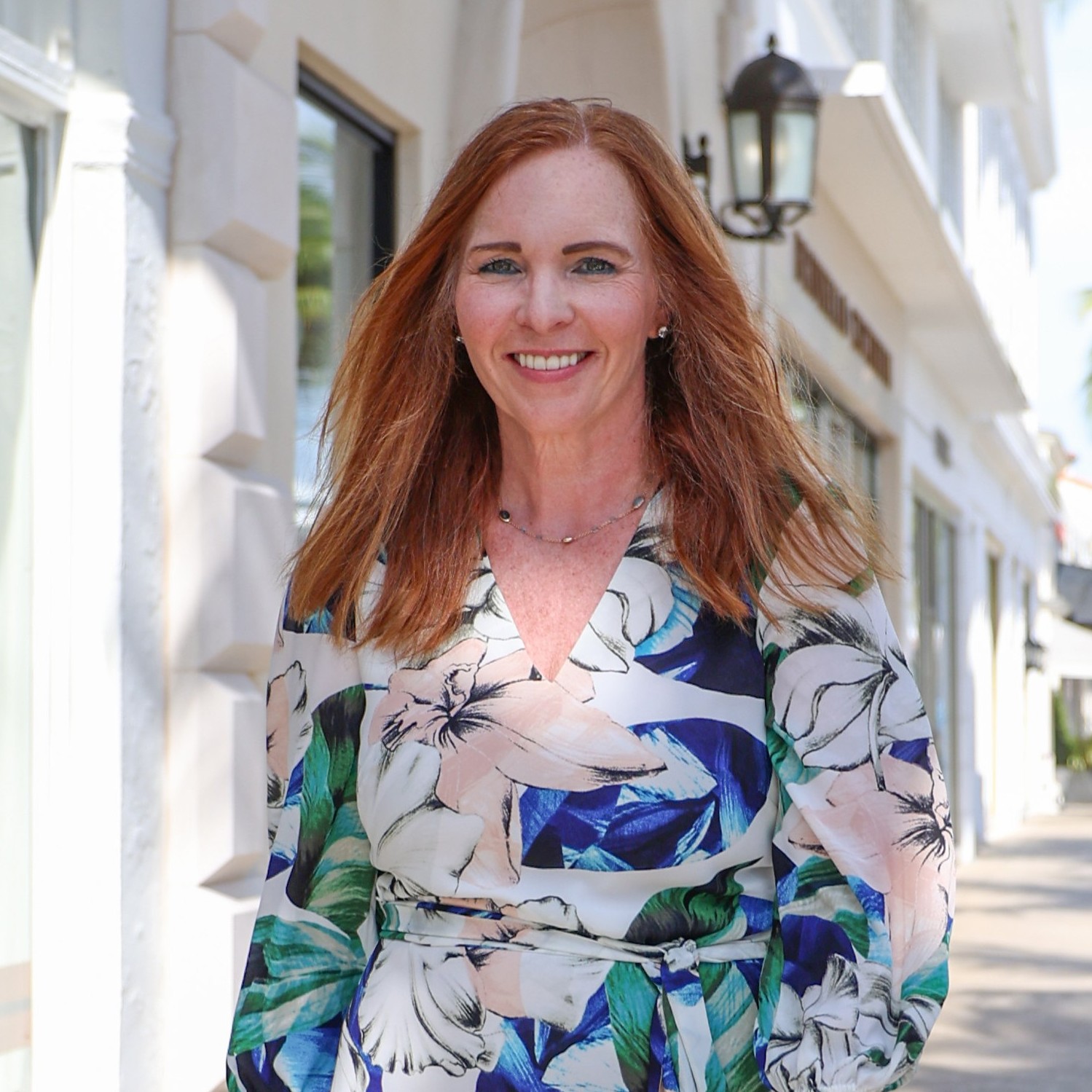
Lisa Treu is the Founder and CEO of Treu Group Real Estate and has been helping buyers and sellers since 1989. She works first in Palm Beach Gardens, then across Palm Beach County, Martin County and Northern Broward, with a focus on luxury, waterfront and new construction homes. Lisa hosts Treu Real Estate 911 on WJNO and is a featured host on American Dream TV.
Lisa Treu, Founder and CEO | Treu Group Real Estate | Florida Real Estate License SL484511 | 2000 PGA Blvd #4440, Palm Beach Gardens, FL 33408 | 561-352-3056