Yes, you can still close on a Palm Beach County home before the end of 2026, but only if you work backward from the closing date and put every step on the calendar now. A conventional loan usually needs 30 to 45 days from an accepted contract, jumbo loans often need more, and Christmas falls on Friday, December 25 this year. That means financed buyers realistically need a signed contract by early November, and I aim year-end closings for the week of December 14 or the first days of the week of December 21, not December 31.
Why should you target a closing before Christmas instead of December 31?
December 31, 2026 is a Thursday, and it is the last day of the year for title companies, lenders, county recording and every association office at once. Many of those offices are short-staffed between Christmas and New Year's. If anything slips on a December 30 closing, there is no Friday to fall back on, because Friday is January 1, a holiday.
So I build every year-end plan around a target date with a buffer behind it. If your target is Tuesday, December 22 and a document is late, you still have the following week. If your target is December 31 and a document is late, you are closing in January.
What does the working-backward calendar look like?
Here is an example built from a Tuesday, December 22, 2026 target closing on a financed purchase. Your contract and lender will set the real dates; this shows the order and the pressure points.
- Contract effective (late October to about November 6): This is the date everything else counts from. For a jumbo loan, I would rather be at the early end.
- Escrow deposit (within a few days of the contract): The Florida contract sets a short window for the initial deposit. Wire instructions should be confirmed by phone with the title company, never from an email alone.
- Loan application (within the first few days): Your lender needs the signed contract right away to order the appraisal.
- Inspections (first 10 to 15 days): General inspection, plus the 4-point and wind mitigation reports your insurance carrier will ask for. Book inspectors the day the contract is signed.
- HOA or condo application and estoppel request (first week): Florida law gives an association 10 business days to deliver an estoppel certificate after it is requested, and approval interviews depend on when the board meets.
- Appraisal (ordered in week one, back by week three): Low appraisals take time to resolve, so I want this report early.
- Insurance binder (by about late November): The lender needs it to finish underwriting. Thanksgiving is November 26, so I ask buyers to have quotes in hand before then.
- Loan commitment (around 30 days in): Watch your contract's loan approval date. If you are not approved by then, talk to me before that date passes.
- Title commitment and survey (by early December): Open permits, liens or survey issues need time to clear.
- Closing Disclosure (by Thursday, December 17): Federal rules require you to receive it at least three business days before you sign, and Sundays and federal holidays do not count. One change to the loan terms can restart that clock.
- Final walkthrough and closing (December 21 to 22): Funds wired a day early, utilities scheduled, keys at the table.
For what each of these steps involves in plain terms, my contract-to-closing guide for Palm Beach County walks through them one by one.
Which steps cause most year-end delays?
In my experience the slow pieces are rarely the ones buyers worry about. The usual culprits:
- Insurance. Roof age and the 4-point report decide whether a carrier will write the policy at all. If an older roof needs a different carrier, that can take days you do not have. I explain what carriers look for in property insurance for Palm Beach County buyers.
- Association approvals. Some boards meet monthly. A December meeting that gets moved to January can stop a closing.
- Jumbo underwriting. More documentation, more conditions, and sometimes a second appraisal.
- Title cleanup. Estates, trusts and old unreleased mortgages all need paperwork from people who may be traveling for the holidays.
- New construction. No certificate of occupancy, no closing. A builder's projected completion date is not a promise.
Is cash or financing more realistic for a December closing?
Cash removes the lender steps (appraisal, loan commitment, Closing Disclosure timing), so a cash contract signed in late November can still work if title and the association cooperate. Financed buyers have less room. If you are financing and it is already mid-November, I will tell you honestly whether the house you want can close in time, and if it cannot, we talk about closing in January with eyes open rather than rushing a contract that fails.
What does year end have to do with homestead and Amendment 3?
To claim homestead for 2027 you generally need to own the home and live in it as your permanent residence on January 1, 2027, then file by March 1, 2027. Separately, Florida voters approved Amendment 3 on November 3, 2026, and it takes effect January 1, 2027. Under it, whether you are a Florida resident by December 31, 2026 affects when you qualify for the larger homestead exemption, so talk with your tax advisor about your timing. The details are on my Amendment 3 explainer, and if you are still choosing who will represent you, read why picking your agent before December 31 matters for a move to Florida.
What should you do in the next seven days?
- Ask your lender, in writing, for the earliest closing date they will commit to on your loan type.
- Get two insurance quotes on a property type you are considering before you write an offer.
- Decide your go or no-go date: the last day you will sign a contract for a 2026 closing.
- Tell every party (lender, title, insurance agent, association) your target closing date on day one.
I have been closing homes in Palm Beach County since 1989, and the December closings that go smoothly are the ones that were planned in October. If you want help building your calendar, book a buyer consultation or call me at 561-352-3056.
Published: October 14, 2026 | Updated: November 4, 2026
About Lisa Treu
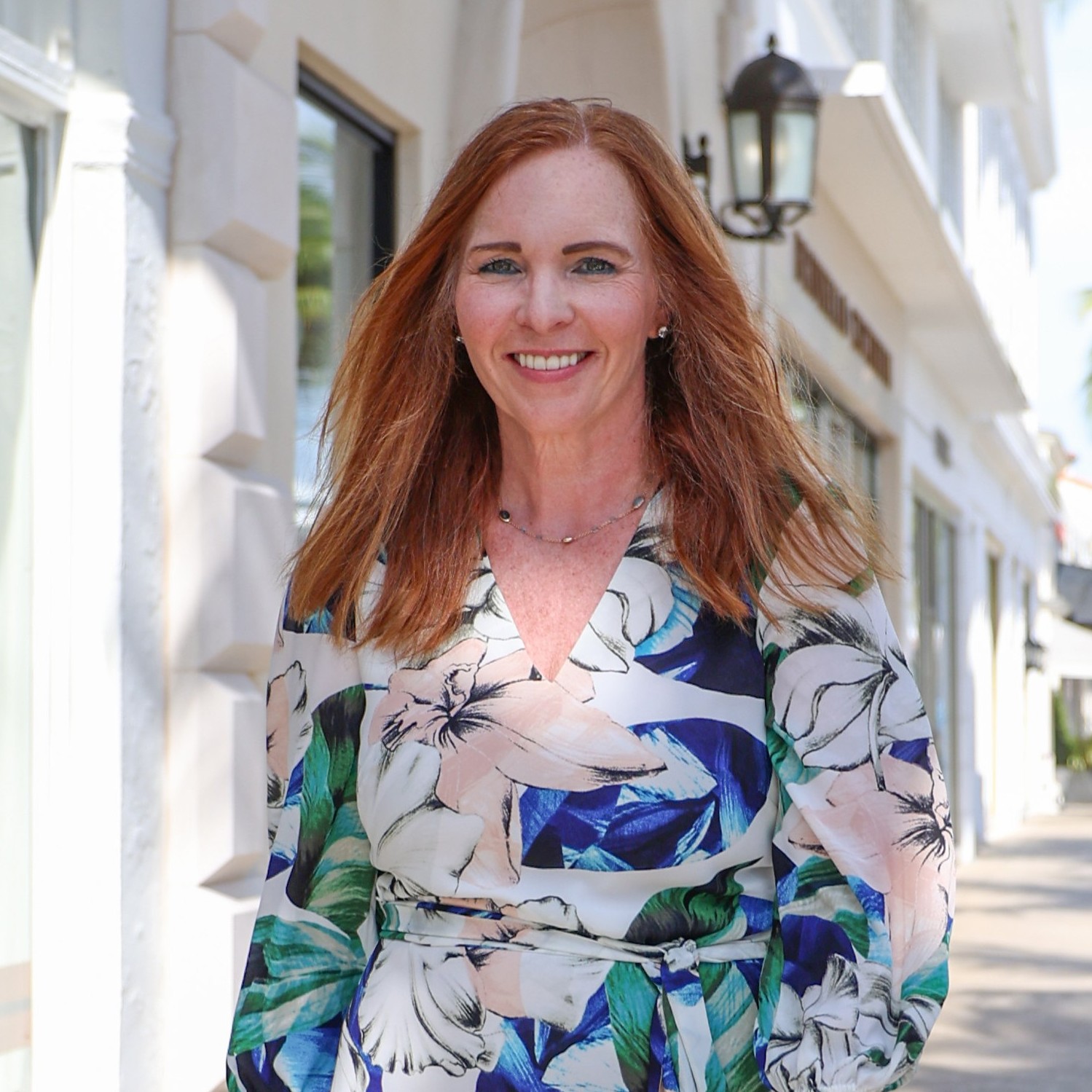
Lisa Treu is the Founder and CEO of Treu Group Real Estate and has helped buyers and sellers in Palm Beach County since 1989. She works first in Palm Beach Gardens and across Palm Beach County, Martin County and Northern Broward, with a focus on luxury homes, waterfront properties and new construction. Lisa hosts Treu Real Estate 911 on WJNO and is a featured host on American Dream TV.
Lisa Treu, Founder and CEO | Treu Group Real Estate | Florida Real Estate License SL484511 | 2000 PGA Blvd #4440, Palm Beach Gardens, FL 33408 | 561-352-3056